Introduction
Anemia is a common health problem that affects millions of people worldwide. It happens when your blood does not have enough healthy red blood cells or hemoglobin. Because of this, your body may not get enough oxygen. Early signs of anemia can be easy to miss. However, knowing how to spot them is important. If you learn how to know if you are anemic, you can get help sooner and feel better faster.
What is Anemia?
Anemia means your blood cannot carry enough oxygen to your body’s organs and tissues. This usually happens when you have low hemoglobin or fewer red blood cells than normal. Hemoglobin is a protein in red blood cells that carries oxygen. When levels are low, your body works harder to get oxygen where it is needed. As a result, you may feel tired or weak.
Common Symptoms of Anemia
Many people do not notice anemia at first. But as it gets worse, symptoms become clearer. For example, you may feel:
Sometimes, people also notice trouble focusing or feeling irritable. If you have these signs of anemia, it is important to pay attention. Not everyone will have all symptoms. But even a few can mean you should talk to a doctor.
Causes and Risk Factors
There are many reasons why someone might become anemic. Some common causes include:
Some people have a higher risk of anemia. For instance, women, young children, older adults, and people with long-term illnesses are more likely to develop anemia. If you have a family history of anemia, your risk may also be higher.
How is Anemia Diagnosed?
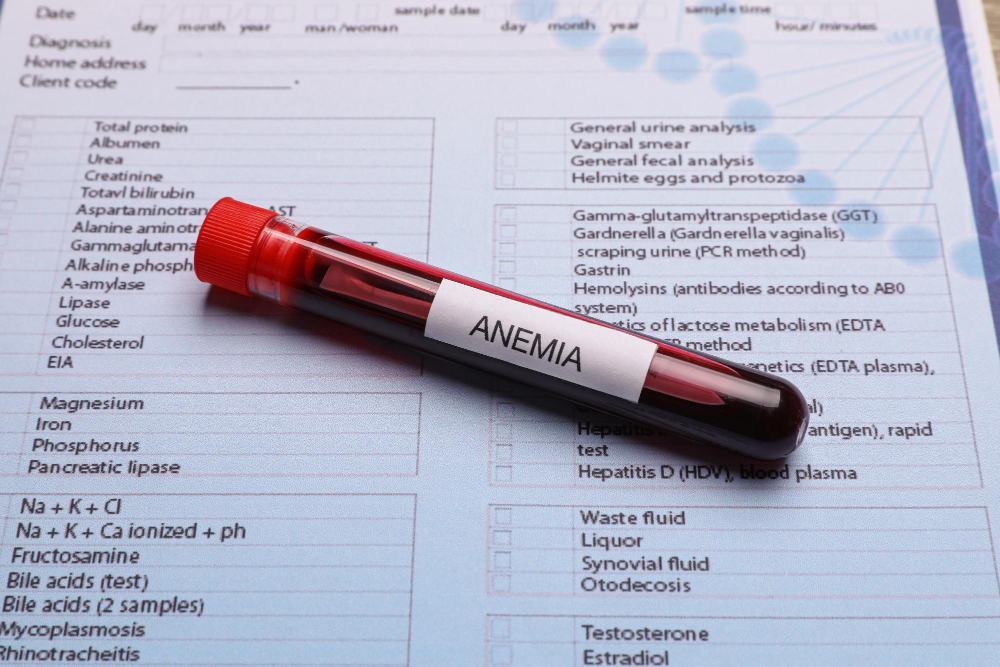
If you think you have anemia, a doctor can help. Usually, they will ask about your symptoms and health history. Next, they may order a blood test called a complete blood count (CBC). This test checks your red blood cell count and hemoglobin levels. If your numbers are low, you may be anemic. Sometimes, more tests are needed to find the cause. For example, your doctor may check your iron, vitamin B12, or folate levels. These steps help find the best treatment for you.
When to See a Doctor
If you notice signs of anemia, do not ignore them. For example, if you feel tired all the time or have trouble breathing, it is time to see a doctor. Also, if you have chest pain, fainting, or a very fast heartbeat, seek help right away. Early diagnosis can prevent serious problems. Your doctor can guide you on the next steps and suggest the right tests.
Prevention and Lifestyle Tips
While not all types of anemia can be prevented, you can lower your risk with healthy habits. Here are some tips:
By making small changes, you can help keep your blood healthy. However, always check with your doctor before starting new supplements or diets.
Conclusion
In summary, anemia is a common but treatable condition. Knowing the signs of anemia and getting an anemia diagnosis early can make a big difference.If you think you may be anemic, it’s important to seek proper evaluation. Consult SRS Hospital for accurate diagnosis and personalised medical advice.