
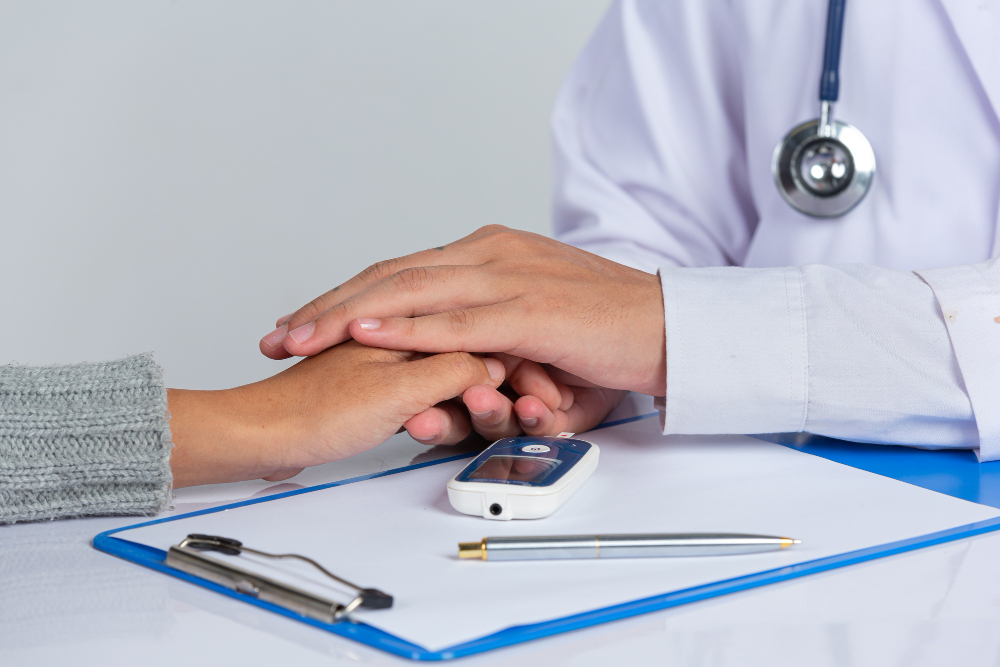
Understanding how to read your blood-sugar report is important for your health. Many people get confused by numbers and terms on their lab results. However, knowing what these results mean can help you manage your health better. In this guide, you will learn how to read your blood-sugar report like a pro. We will explain key terms, normal blood sugar ranges, and tips for tracking your levels. This information is useful for anyone, whether you are in the US or elsewhere.
What is a Blood-Sugar Report?
A blood-sugar report shows your blood glucose levels. Doctors use this report to check for diabetes or prediabetes. Usually, the report includes different tests. For example, it may show fasting blood sugar, postprandial (after-meal) sugar, and HbA1c. Each test gives important information about your health. If you have diabetes, these reports help track how well you are managing your condition. Even if you do not have diabetes, checking your blood sugar can help prevent future problems.
Key Terms and Ranges Explained
Before you read your report, it helps to know some key terms. Here are the most common ones:
Now, let’s look at the normal blood sugar range for each test. These ranges are based on guidelines from the CDC and WHO:
For more details, you can check a blood sugar levels chart. These charts help you compare your results easily.
How to Interpret Your Results
Once you have your report, compare your numbers to the normal blood sugar range. For example, if your fasting blood sugar is 110 mg/dL, you may have prediabetes. If your HbA1c is 6.6%, it means you may have diabetes. However, one test alone does not confirm a diagnosis. Doctors look at your overall health and may repeat tests to be sure. Always use your blood sugar levels chart to check where you stand. If your results are in the normal range, that is good news. But, if they are high or low, you may need to take action.
Common Mistakes to Avoid
Many people make mistakes when reading their blood-sugar report. Here are some things to watch out for:
Because mistakes are common, it is best to ask your doctor if you are unsure.
When to Consult a Doctor
Sometimes, your blood-sugar report may show numbers outside the normal range. In these cases, you should talk to a healthcare professional. For example, if your fasting blood sugar is above 126 mg/dL more than once, see your doctor. If your HbA1c is 6.5% or higher, you may need more tests. Also, if you have symptoms like thirst, tiredness, or blurry vision, do not wait. Early action can help prevent serious problems.
Tips for Tracking and Managing Your Blood Sugar
Managing your blood sugar is easier with good habits. Here are some tips to help you:
Because small changes can make a big difference, start with one or two tips and build from there.
Remember: Consult a healthcare professional at SRS Hospital for personalized advice on your blood-sugar report.